Your first color appointment starts before any color is mixed. It starts with a patch test, a consultation, and a set of questions about what is already on your hair. To a first-timer that can feel like delay. It is actually how salons keep a fun change from becoming a bad week: a reaction caught on a small patch of skin, or a problem caught in conversation, is a problem that never reaches your whole head.
At Dominican Beauty in Kannapolis, color and highlights are core services, and spring and fall are when many first-timers book, ahead of summer and ahead of the holidays. The seasonal timing helps: booking your first color a few weeks before the season you want it for leaves room for the test, the consultation, and a calmer plan.
Why salons patch-test
Hair color contains ingredients, most notably a class of dye compounds found in permanent color, that a small share of people are allergic to. Reactions range from itching and redness to, rarely, something serious. A patch test places a small amount of product on the skin, usually behind the ear or in the elbow crease, and waits, commonly a full day or two, to see whether the skin reacts.
The test matters even if you have colored at home before without trouble. Sensitivities can develop with repeated exposure, and a salon formula is not the same product you used previously. If your skin reacts, tell the salon promptly and do not proceed with that formula. There may be alternatives, but that is a conversation to have honestly rather than a test result to push through.
Before your first color appointment
- Book the patch test and consultation ahead of the color appointment itself, since the test needs waiting time before color can be applied.
- List everything on your hair now: box dye, henna, lightening kits, perms, relaxers, or smoothing treatments, with rough dates, including anything you think has washed out.
- Bring two or three photos of the color you want, ideally on hair similar in length and texture to yours.
- Wear a top you do not mind getting a stray mark on, and skip dangling earrings and high collars that get in the way at the basin.
- Say plainly how much upkeep you will actually do: how often you will return for roots, gloss, or toner, and how you wash and style at home.
- Ask what the result will look like as it grows out, not just on day one, since a low-maintenance grow-out is a design choice made at the first appointment.
- In pollen season, mention any seasonal skin sensitivity, since irritated skin is a reason to be extra careful with timing a patch test.
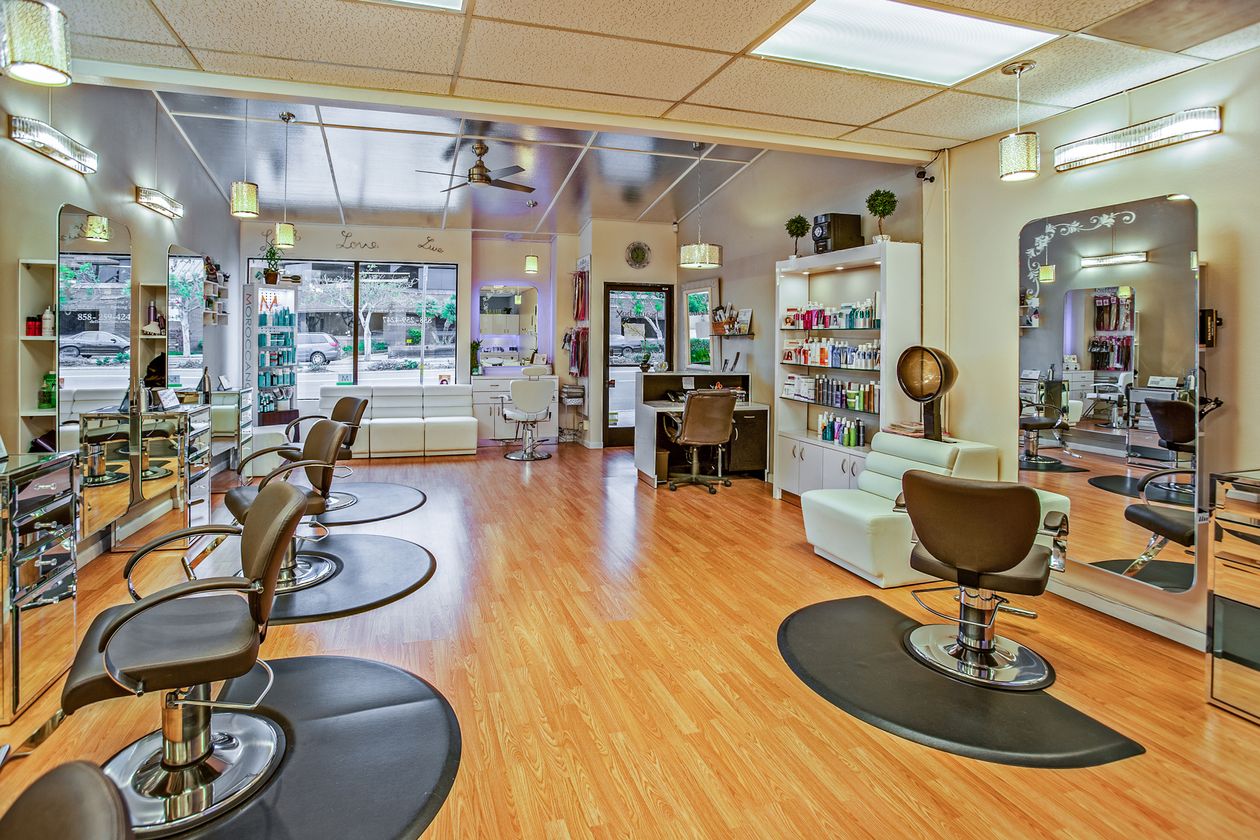
What the consultation is really deciding
The consultation matches three things: the color you want, the hair you have, and the maintenance you will accept. Starting level decides what is achievable in one visit. Dark hair going pale blonde is a multi-session project for almost everyone, and hearing that at a consultation is good news delivered early, not a sales pitch. Skin tone, eye color, and your usual clothing colors all feed the choice of warm, cool, or neutral tones.
Timing is booked from that plan. A full first color with highlights takes longer than an all-over single color, and a correction takes longer than either. Knowing the length of the appointment in advance, and what it will involve, from patch test to processing to the final blow-dry, is part of what the consultation is for. Ask, rather than guessing from the internet.
The seasonal calendar for a first-timer
Thinking seasonally makes the first year easier. A spring first color should account for summer: sun, pools, and more frequent washing all fade color faster, so choose a shade and a care routine that can survive July in North Carolina. A fall first color has a gentler debut, with less ultraviolet and less swimming working against it, though dry indoor air argues for extra conditioning.
Either way, leave a few weeks between your first color and any major event or photos. Fresh color looks great quickly, but you want time to live in it, adjust the tone if needed, and learn its washing rhythm before it has to perform on a particular day.
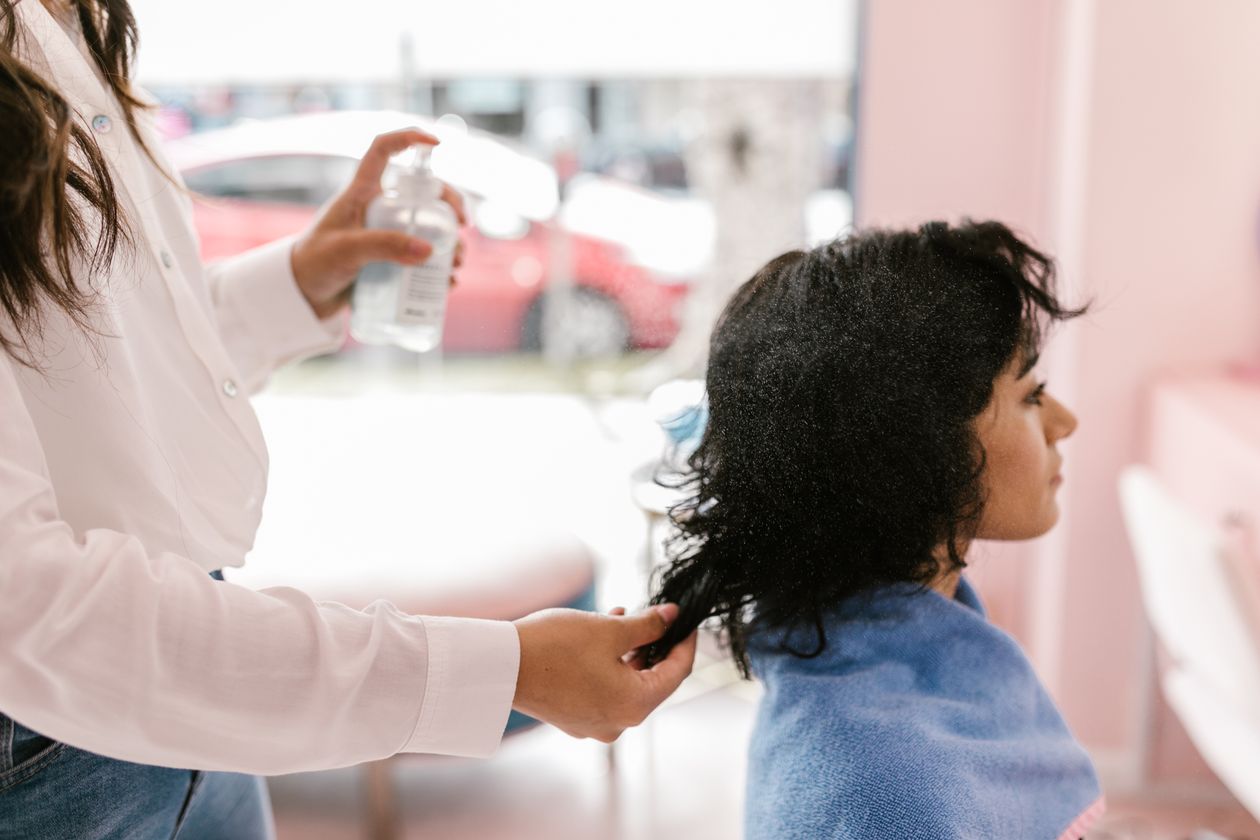
After the appointment: the first two weeks
New color settles. Wait a day or two before the first wash where your stylist advises it, use lukewarm water and a gentle, sulfate-free shampoo, and expect the first wash to carry away some loose surface pigment, which is normal. Keep heat moderate while you learn how your colored hair behaves, and note any dryness at the ends, since colored hair usually wants more conditioner than it did before.
Pay attention to your skin as well in the first days. Any delayed itching or irritation is worth reporting to the salon and, if it persists or worsens, to a medical professional. That feedback loop is the other half of why patch tests and consultations exist: they start a relationship in which information flows both ways, and your second appointment is planned with everything the first one taught both of you.
Common questions
How long before my appointment does the patch test happen?
Commonly a day or two before, so there is time for a reaction to show. Your salon will tell you its exact timing when you book, so schedule the test when you schedule the color.
Do I need a patch test if I have used box dye with no problem?
Yes. Salon formulas differ from home products, and sensitivity can develop over time even to familiar ingredient types. The test is quick insurance either way.
What if I cannot remember everything that is on my hair?
Say what you do remember and admit the gaps. A stylist would rather plan around an uncertain history, possibly with a strand test, than work from a confident but wrong one.
Photos in this guide are representative stock images.
← All guides from Dominican Beauty← Back to Dominican Beauty