Pool season in Kannapolis runs long, roughly May through September, and hair keeps score. Chlorine does not usually ruin hair in one swim. It works the way sun and salt do, visit by visit: drying the shaft, roughening the cuticle, fading color, and, on lightened hair, sometimes leaving that familiar greenish cast that is actually caused by metals in the water binding to the hair.
The encouraging part is that pool damage is one of the most preventable kinds. Dominican Beauty offers deep conditioning and wash and set services that suit exactly this recovery work, and a simple calendar, before pool season, during it, and after it, keeps hair in shape without giving up swimming.
Your pool season calendar
| When | Focus | What to do |
|---|---|---|
| Late April, before regular swimming | Start from a healthy baseline | Get a trim to remove tired ends, since damaged ends absorb the most chemicals, and start a weekly conditioning habit before the first pool day |
| Every swim day, before you get in | Pre-wet and protect | Soak hair with clean water at the pool shower or with a bottle, work in a little leave-in conditioner or oil, and braid it or put it up so less surface is exposed |
| Every swim day, right after | Rinse promptly | Rinse hair with clean water as soon as you leave the pool, even if a full wash comes later at home, so chlorine does not sit and dry in the hair |
| Weekly, all summer | Wash and condition properly | Use a clarifying or swimmer's shampoo once a week to remove chemical and sunscreen buildup, and follow every wash with conditioner on the mid-lengths and ends |
| Monthly, all summer | Deep condition | Book or do at home a deep conditioning treatment every few weeks; color-treated and lightened hair benefits most, since it is the most porous |
| Late September, season's end | Assess and reset | Check ends honestly, trim what the summer cost you, and return to your normal wash rhythm as swimming tapers off |
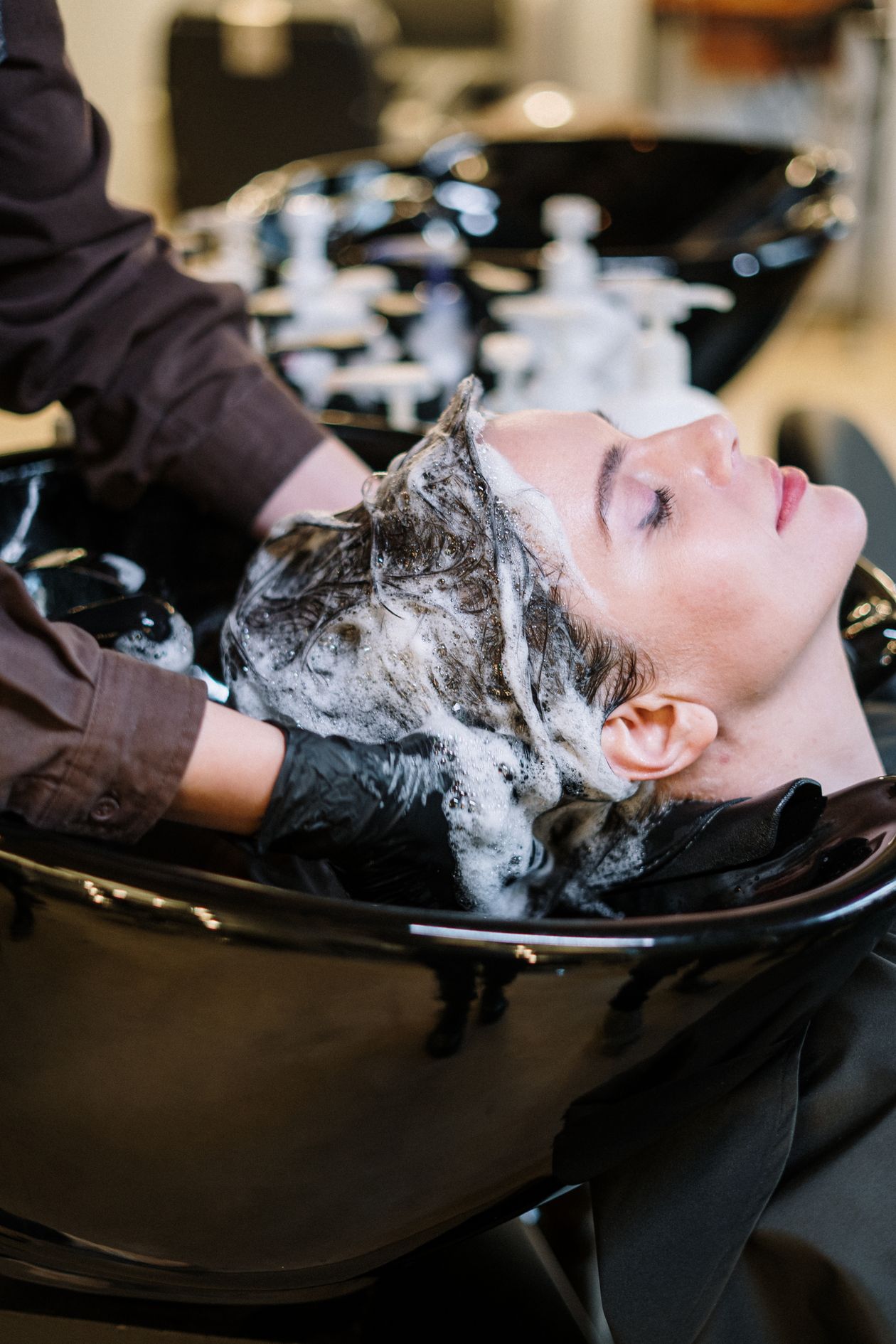
Why pre-wetting works
Hair absorbs water like a sponge, and a sponge that is already full absorbs less of whatever it meets next. Hair soaked with clean water before swimming takes in significantly less pool water, which means less chlorine and fewer dissolved metals reaching the shaft. It is the single highest-value habit in this whole guide, and it takes one minute. A swim cap over wet, conditioned hair adds a physical barrier on top of that for lap swimmers and kids who spend hours in the water.
Updos and braids help for a second reason: tangling. Wet hair moving freely in water tangles and mats, and detangling afterward is when much of the breakage actually happens. Contained hair comes out of the pool in the same arrangement it went in.
About the green tint
The green cast on blonde and lightened hair is widely blamed on chlorine alone. Chlorine contributes by roughening the hair so it grabs more of everything, but the green color itself usually comes from copper and other metals in the pool water binding to the hair. That distinction matters because the fix is a clarifying or chelating shampoo designed to remove mineral buildup, used promptly, not simply more ordinary washing. Prevention is better: pre-wet hair, keep it up, and rinse after. If a strong green cast sets in, a salon treatment is the faster and safer correction than repeated home attempts with harsh products.
Color, blowouts, and summer together
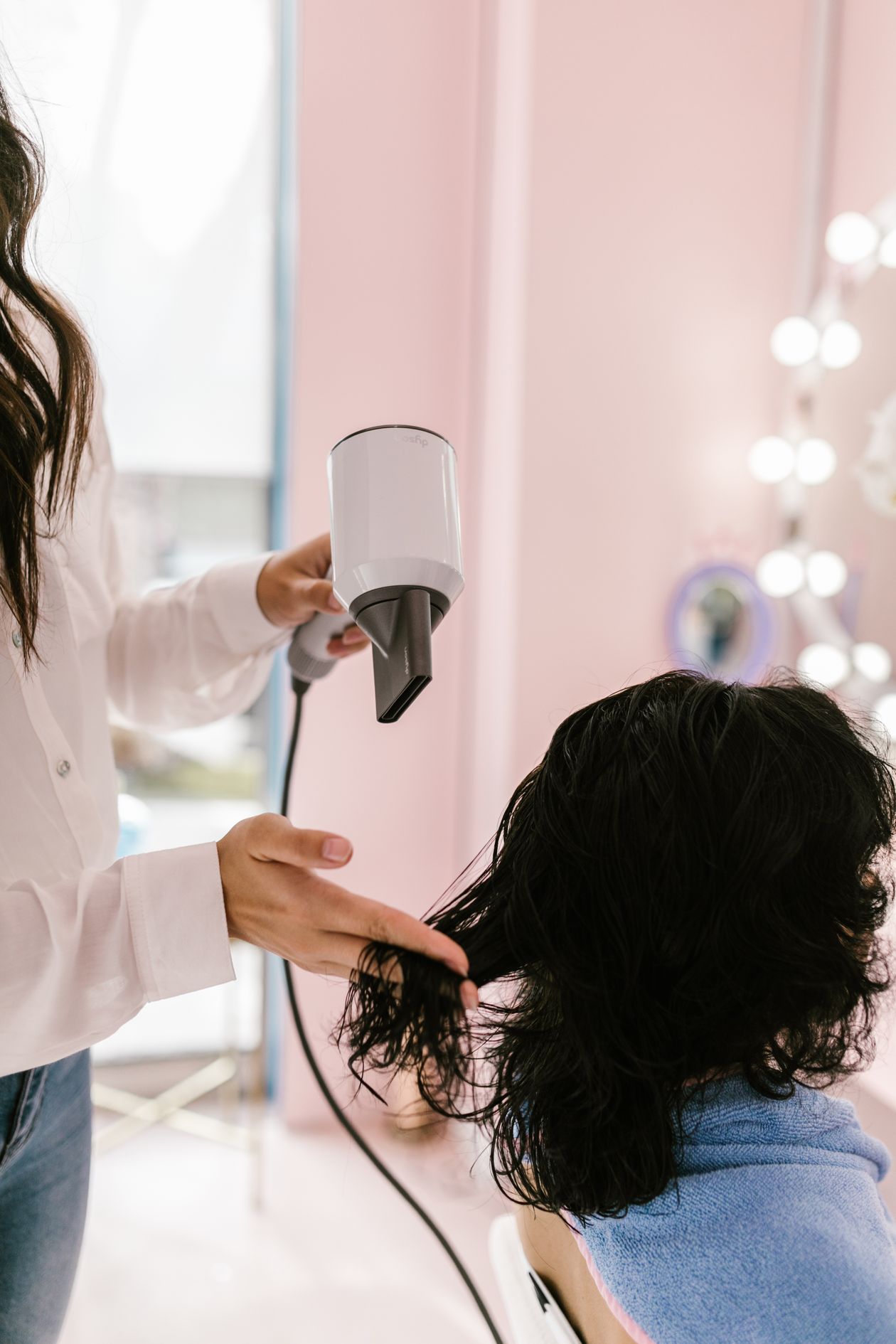
Color fades faster in pool season, and smoothed styles like a Dominican blowout lose their finish sooner with frequent soaking and washing. If you know a beach or pool-heavy stretch is coming, schedule color and smoothing after it rather than before when you can. When you cannot, the calendar above matters more, not less: pre-wetting for every swim, prompt rinses, and the weekly clarifying wash are what carry a blowout through a Kannapolis summer in recognizable shape.
Kids deserve a line of their own, since they swim longest and sit still for rinsing least. A quick clean-water soak and a braid before they jump in, and a rinse and detangle with conditioner after, covers most of it. Fighting for more than that at the pool gate is rarely worth it.
Common questions
Does chlorine damage all hair the same way?
No. Lightened, color-treated, and previously damaged hair is more porous and absorbs more, so it dries out and discolors fastest. Healthy, uncolored hair tolerates the occasional swim with just a rinse.
How soon after swimming should I wash my hair?
Rinse with clean water right away, and do a full shampoo and condition the same day when you can. The goal is not to let chlorinated water dry in the hair for hours.
Can I swim every day and still keep my color?
You can keep it in good shape with pre-wetting, a cap or updo, prompt rinsing, and a weekly clarifying wash. Expect somewhat faster fading than in winter and plan refresh appointments around the season.
Photos in this guide are representative stock images.
← All guides from Dominican Beauty← Back to Dominican Beauty